
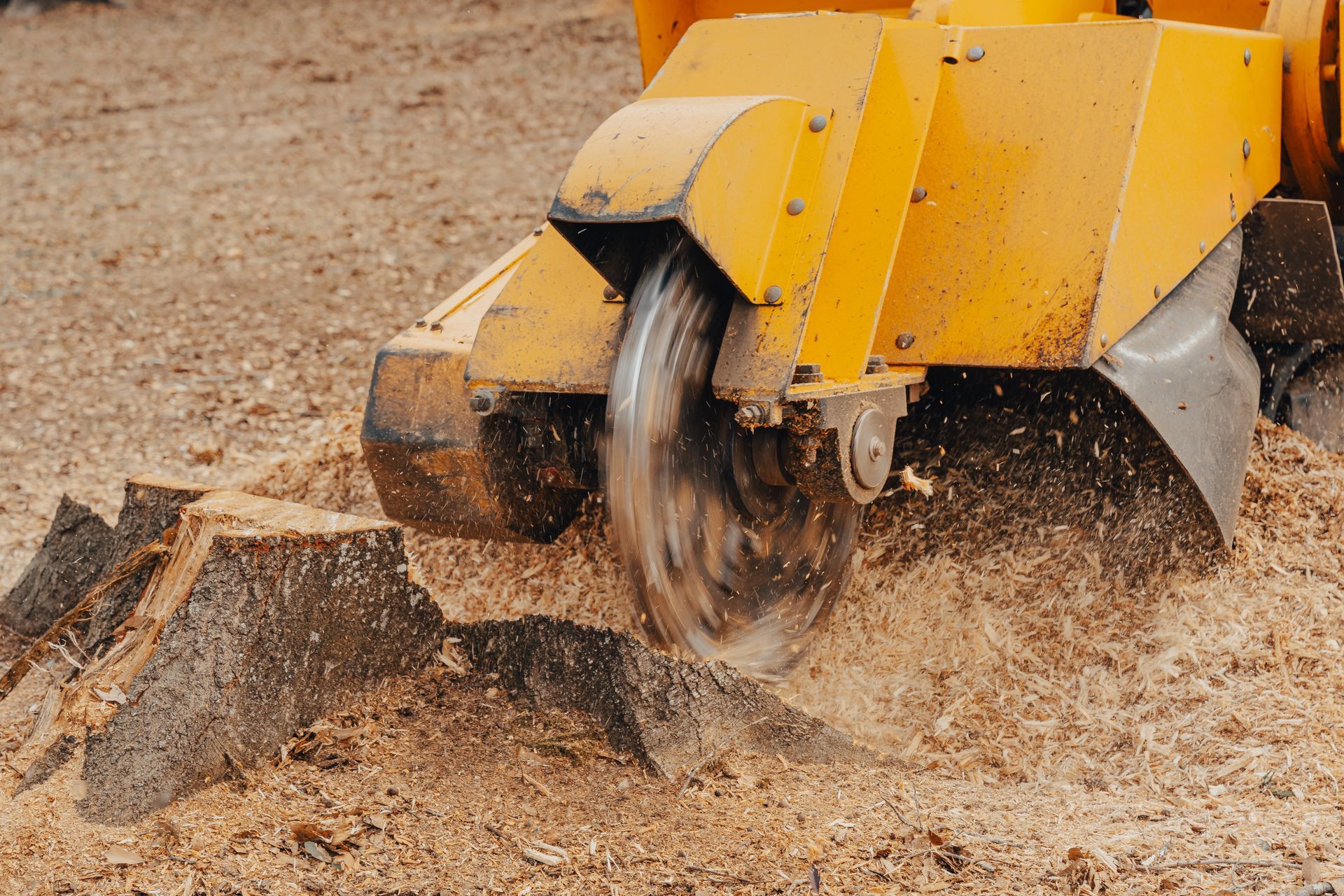
Brush Processed On Site Without Hauling Debris
Forestry Mulching & Heavy Brush Removal in Dublin for overgrown hunting trails and back-forty acreage grown up in brush
A cutting head processes brush and woody growth into mulch on site, opening overgrown areas without hauling debris away. Rusty's Maintenance provides forestry mulching and heavy brush removal in Dublin and nearby Laurens County, with scope set on the property before any work begins. Overgrown hunting trails, back-forty acreage and old fence lines grown up in brush are common here, and a cutting head handles that growth faster than clearing it by hand.
Trees to keep are marked and boundaries agreed before the machine starts, so the mulched area matches the limits you set and the features you wanted preserved remain standing. Below-grade stump or root removal and grading are separate scopes and are quoted separately if needed, so the mulching estimate reflects the surface clearing work and does not include subsurface excavation unless you requested it.
Arrange a property review to mark the boundaries and confirm the trees to keep.
How Mulching Handles Years of Accumulated Brush
The cutting head processes woody growth and brush in place, reducing it to mulch that is spread across the cleared ground. This method works well for opening old fields, clearing shooting lanes, or reopening trails that have been closed by years of regrowth without the time and labor involved in hand-cutting and hauling away the debris.
After the work finishes, the area is open to the marked boundary, the mulch layer covers the ground, and the trees you wanted to keep are still in place. Sight lines are restored, access routes are cleared, and the regrowth that was blocking your intended use is processed down to ground level.
Mulch is generally left on the ground after processing, which reduces erosion and keeps the soil covered, but if the cleared area needs to be graded, leveled, or prepped for building, that work is scoped and quoted separately from the mulching itself.
Common Questions About This Service
Mulching uses specialized equipment and site-specific planning, and the process differs from hand clearing or mowing in how it handles woody growth and what it leaves behind.
What type of growth does forestry mulching handle?
The cutting head processes brush, saplings, vines and woody growth up to several inches in diameter, turning the material into mulch on site rather than requiring it to be cut, piled and hauled away.
How are the trees you want to keep protected during the mulching process?
Trees to keep are marked before the cutting head starts, and the operator works around those marked trees so they remain standing while the surrounding brush is processed.
What happens to the mulch after the brush is processed?
Mulch is spread across the cleared ground where it covers the soil, reduces erosion, and gradually decomposes, unless you request grading or removal as part of a separate scope.
Why is overgrown hunting property and back-forty land in Dublin and Rentz often thick with mid-size brush?
Many rural parcels in this area were cleared or farmed decades ago and then left fallow, allowing brush and saplings to reclaim the open ground and close off access routes and sight lines over time.
What changes once the mulching work is complete?
The area is opened to the agreed boundary, regrowth that blocked access or views is reduced to ground mulch, and the land is ready for its intended use without piles of debris waiting to be hauled or burned.
Rusty's Maintenance also provides forestry mulching and heavy brush removal in Laurens County, Dublin, Eastman, Cochran and Hazlehurst. Request an on-site review to confirm the scope and the finish you need for the cleared area.